
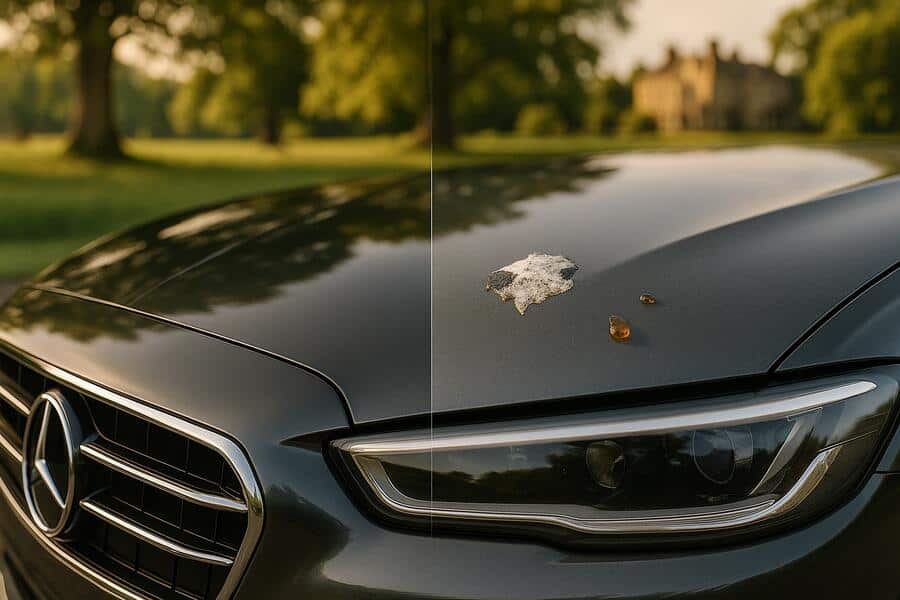
Few things are as frustrating for a car owner as returning to a freshly cleaned vehicle only to find it marred by a bird dropping or sticky tree sap. These aren’t just cosmetic nuisances; they pose a genuine threat to your vehicle’s paintwork, leading to permanent etching and costly repairs. At Auto Protek, serving Minley, Surrey, and the surrounding areas, we understand these challenges intimately, which is why we champion Paint Protection Film (PPF) as the ultimate solution for robust ppf protection from bird droppings tree sap.
The acidic nature of bird droppings and the adhesive properties of tree sap can quickly compromise your car’s clear coat. Without adequate safeguarding, these contaminants can etch into the finish, leaving behind dull, discolored marks that diminish your vehicle’s appearance and resale value. This is where the advanced technology of PPF comes into its own, providing a durable, invisible barrier. If you’re considering enhancing your vehicle’s defense, professional car ppf installation is a worthwhile investment to preserve its pristine condition for years to come.
💡 Key Takeaway: Bird droppings and tree sap are more than just dirt; their acidic and sticky compounds can quickly cause permanent damage to your car’s clear coat, leading to etching and discoloration if not addressed promptly.
The Unseen Threats: Understanding Paint Damage from Nature
Bird Droppings: The Corrosive Reality
When it comes to bird droppings, the danger lies in their composition. Uric acid, a primary component of bird waste, is highly corrosive. With a typical pH level between 3 and 4.5, it’s acidic enough to start degrading your car’s protective clear coat almost immediately upon contact. The problem is exacerbated by heat:
- Sunlight’s Role: Direct sunlight heats the paint, causing it to expand and open its pores. This allows the uric acid to penetrate deeper.
- Cooling & Contraction: As the paint cools and contracts, it “tightens” around the embedded acid, effectively trapping it and creating a permanent etch mark that looks like a dull crater.
- Speed of Damage: Visible bird dropping paint damage can occur in a matter of hours, especially on a hot day.
Tree Sap: The Sticky Menace
Tree sap, while less overtly acidic than bird droppings, presents its own set of problems. It’s incredibly sticky and adheres tenaciously to surfaces. Over time, as it dries and hardens, it can bond with the clear coat. Attempting to remove hardened sap without proper technique often results in:
- Scratches: Aggressive scrubbing can scratch the paint surface.
- Staining: The sap can leave behind a permanent yellowish or brownish stain, particularly if it contains pigments from the tree.
- Difficulty in Removal: The longer sap remains on the surface, the harder it is to remove without resorting to harsh chemicals or abrasive methods that could harm the paint.
💡 Key Takeaway: Heat from sunlight accelerates the etching process of bird droppings by expanding paint pores, while tree sap’s stubborn stickiness can lead to scratches and permanent staining if not removed with care.
Why Your Clear Coat Isn’t Enough
Modern automotive clear coats are designed to be resilient, offering a degree of protection against environmental elements. However, they are not impervious. The chemical etching mechanism of bird droppings is simply too aggressive for an unprotected clear coat to withstand long-term. Similarly, while a clear coat can resist some adhesion from tree sap, its physical barrier is limited, making it vulnerable to both staining and damage during removal attempts.
How Paint Protection Film Provides Superior Defense
Paint Protection Film is not just a shield; it’s a sophisticated layer of defense engineered to tackle the specific challenges posed by bird droppings and tree sap.
The Sacrificial Topcoat
High-quality PPF features a robust, self-healing topcoat made from advanced urethane. This layer acts as a sacrificial barrier, absorbing the impact of environmental contaminants. When bird droppings or tree sap land on the PPF, the acidic or sticky compounds interact with the film’s top layer, not your car’s paint.
- Acid Absorption: The film’s urethane composition is more resistant to chemical degradation than traditional clear coats. It effectively “takes the hit” from uric acid, preventing it from reaching and etching the underlying paint.
- Sap Barrier: Tree sap adheres to the PPF, forming a physical barrier that prevents it from bonding directly with your vehicle’s original finish.
The Self-Healing Advantage
One of the most revolutionary features of modern PPF is its self-healing capability. Minor scratches, swirl marks, and even light etching from contaminants can disappear with exposure to heat (like sunlight or warm water). This property makes cleaning and maintaining your vehicle significantly easier and safer:
- Easier Cleaning: Contaminants like bird droppings and tree sap are less likely to bond aggressively with the slick surface of PPF. This means they can often be removed with less effort and without the need for harsh chemicals or aggressive scrubbing.
- No Permanent Staining: Because the PPF acts as a barrier, the chances of permanent staining on your car’s actual paint are dramatically reduced. Any minor discoloration on the film itself can often be carefully cleaned or, in extreme cases, the film can be replaced without touching the factory finish.
💡 Key Takeaway: PPF’s sacrificial topcoat absorbs the damaging acids and sticky residues, while its self-healing properties allow for easier, safer cleaning and prevent permanent etching or staining on your vehicle’s original paint.
Comparing Protection: Paint vs. PPF
| Feature | Standard Clear Coat | Paint Protection Film (PPF) |
|---|---|---|
| Protection from Bird Dropping Acids | Vulnerable to etching and permanent damage, especially in heat. | Sacrificial layer resists acid penetration; prevents etching on paint. |
| Defense Against Tree Sap Adhesion | Sap bonds directly to clear coat, risking scratches and stains during removal. | Sap adheres to PPF; easier to remove without damaging paint. |
| Scratch & Swirl Resistance | Susceptible to light scratches and swirl marks from washing. | Self-healing properties eliminate minor scratches with heat. |
| Ease of Cleaning Contaminants | Requires careful, immediate action; risk of damage if not perfect. | Slick surface allows easier removal; film tolerates more robust cleaning. |
| Long-Term Appearance Retention | Degrades over time with environmental exposure; shows wear. | Preserves factory finish; maintains clarity and gloss for years. |
Maintaining Your PPF Protected Vehicle
While PPF offers incredible durability, proper care is still essential to ensure its longevity and performance:
- Prompt Removal: Even with PPF, it’s best to remove bird droppings and tree sap as soon as possible. Soak the affected area with warm, soapy water and a soft microfiber towel to loosen the contaminant, then gently wipe away.
- pH-Neutral Cleaners: Always use pH-neutral car wash soaps and detail sprays. Avoid harsh chemicals or abrasive cleaning tools that could degrade the film’s topcoat.
- Avoid Dry Wiping: Never wipe a dry car. Always use lubrication to prevent scratching, even on PPF.
- Regular Washing: A consistent wash routine keeps your PPF clean and free of embedded contaminants.
💡 Key Takeaway: To maximize the life and performance of your PPF, always prioritize prompt and gentle cleaning of contaminants using pH-neutral products and proper washing techniques.
Investing in quality PPF from Auto Protek is investing in the long-term protection and aesthetic appeal of your vehicle. It provides peace of mind against the daily assaults of nature, keeping your paintwork looking pristine for years to come.
Frequently Asked Questions About PPF and Environmental Damage
What is the self-healing property of PPF?
The self-healing property refers to the film’s ability to “recover” from minor scratches and swirl marks. When exposed to heat (from the sun, warm water, or a heat gun), the urethane material in the topcoat will essentially revert to its smooth state, making small imperfections disappear.
How long does PPF protection against tree sap and bird droppings last?
High-quality PPF, when professionally installed and properly maintained, can last anywhere from 5 to 10 years, offering continuous protection against environmental damage like tree sap and bird droppings throughout its lifespan.
Can PPF be damaged by very harsh chemicals?
While PPF is highly resilient, it’s not indestructible. Using extremely harsh, non-automotive specific chemicals, or abrasive compounds, can potentially degrade or stain the film over time. Always stick to products recommended for PPF or general automotive use.
What if a bird dropping etches the PPF itself?
In rare cases, if a bird dropping is left on the PPF for an extended period, especially in extreme heat, it might leave a faint etch or stain on the film’s topcoat. Often, the self-healing property can mitigate this with heat. If permanent, the affected section of the film can be removed and replaced by a professional, leaving the original paint underneath untouched.
